Passover Lamb Instructions: A Comprehensive Guide
Passover, or Pesach, is deeply rooted in symbolism, with the lamb holding a central place in the eight-day celebration. This guide explores the traditions, from preparation to serving,
and modern adaptations.
Historical Significance of the Passover Lamb
The Passover lamb commemorates the biblical story of the Exodus from Egypt, a pivotal event in Jewish history. According to the Book of Exodus, God instructed the Israelites to sacrifice a lamb and smear its blood on their doorposts. This sign would prompt God to “pass over” their homes during the tenth plague – the death of the firstborn sons – sparing them from devastation.
This act of sacrifice wasn’t merely a preventative measure; it was a profound demonstration of faith and obedience. The lamb became a symbol of redemption, freedom, and God’s protective covenant with the Israelites. The subsequent consumption of the roasted lamb during the first Passover Seder meal solidified its importance as a central element of the holiday.
Throughout generations, the Passover lamb has represented more than just a historical event. It embodies the enduring themes of liberation, hope, and the ongoing relationship between God and the Jewish people. Even today, while the actual sacrificial practice is no longer observed outside of Jerusalem, the symbolic presence of the lamb – often represented by a shank bone (zeroa) on the Seder plate – serves as a powerful reminder of this foundational story and its enduring message.
Selecting the Lamb: Kosher Requirements
Selecting a kosher lamb for Passover requires strict adherence to Jewish dietary laws (kashrut). The lamb must be from a kosher species – specifically, a sheep or goat – and must have been raised according to kosher standards. This includes being fed a kosher diet and being healthy and free from blemishes or diseases.
A crucial aspect is verifying the lamb’s lineage; it must be traceable back to a kosher source. The animal must be inspected for treifot – disqualifying conditions – such as internal organ damage or certain skeletal defects. Only a knowledgeable and observant individual, often a shochet (ritual slaughterer), can make this determination.
Furthermore, the lamb cannot have been offered as an idol sacrifice. The entire process, from the animal’s upbringing to its eventual slaughter, must be overseen by individuals committed to maintaining kosher integrity. This meticulous attention to detail ensures that the lamb is suitable for consumption during the sacred Passover Seder, upholding centuries of tradition and religious observance.
Age and Condition of the Lamb
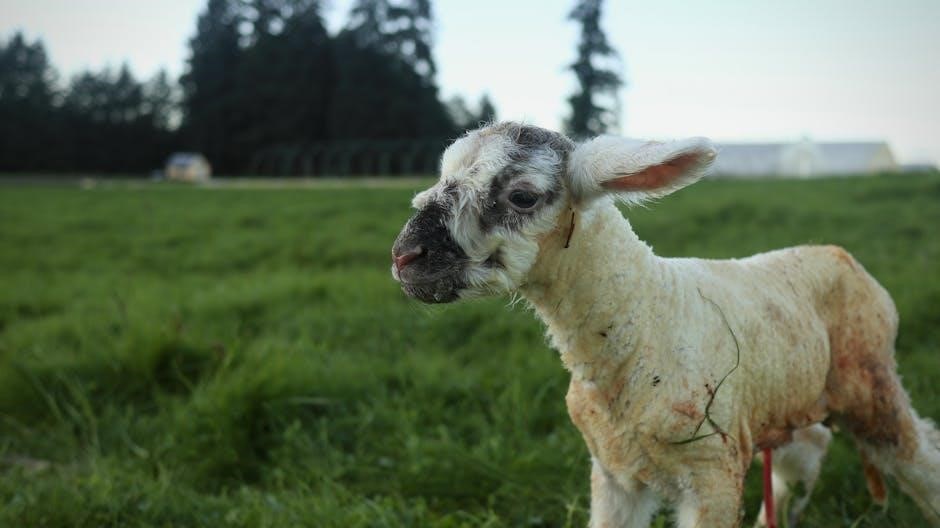
Traditionally, the Passover lamb was a year-old male goat or sheep, without blemish or defect. This requirement signifies offering God the best of one’s flock, representing perfection and devotion. While the Temple sacrifice is no longer practiced, the principle of selecting a healthy, prime animal remains central to the symbolic Seder meal.
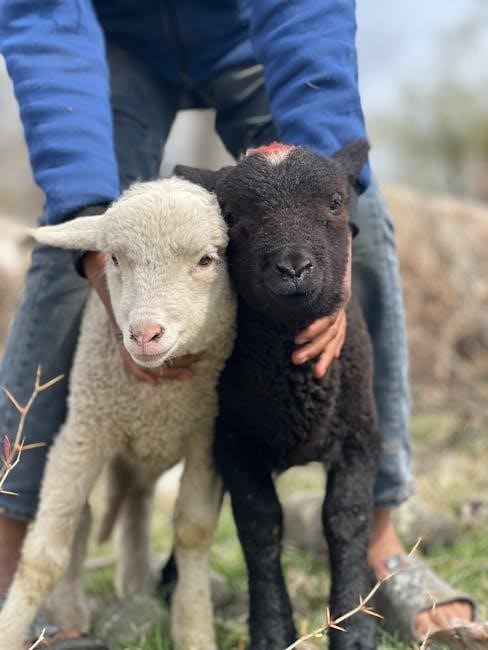
The lamb should be strong and well-nourished, demonstrating vitality. Any physical imperfections – broken bones, scars, or visible illnesses – would disqualify it. This emphasis on a flawless condition reflects the idea of presenting something worthy to God, mirroring the Israelites’ desire to be redeemed from slavery in Egypt.
Modern interpretations often focus on selecting a high-quality lamb that meets these symbolic standards. While a literal year-old animal isn’t always feasible, choosing a young, healthy lamb is paramount. The condition of the lamb serves as a tangible reminder of the historical sacrifice and the pursuit of spiritual purity during Passover.
The Shechita (Slaughter) Process
Shechita, the Jewish ritual slaughter, is a precise and humane method performed by a trained shochet (ritual slaughterer). It involves a swift, deep cut across the throat with an extremely sharp, perfectly maintained knife, severing the trachea and esophagus. This method is designed to cause immediate and complete loss of consciousness, minimizing pain for the animal.
The shochet must recite a specific blessing before each slaughter, acknowledging God’s sanctity and the purpose of the act. Strict kosher laws govern the entire process, including the condition of the knife (chalaf), its sharpness, and the technique employed. Any imperfection in the knife or the execution of the cut renders the animal non-kosher.
Following the slaughter, the blood is drained from the carcass, as consuming blood is forbidden in Jewish law. This process is a crucial step in preparing the lamb for consumption during the Passover Seder. The Shechita process isn’t merely a practical act; it’s a sacred ritual imbued with religious significance and ethical considerations.
Examination of the Lamb (Bedika)
Following the Shechita, a meticulous examination of the lamb, known as Bedika, is undertaken to ensure its fitness for Passover consumption. This inspection, performed by the shochet, focuses on identifying any internal defects or diseases that would render the animal treif (non-kosher). The lungs are of particular concern, as any adhesions or signs of pneumonia disqualify the lamb.
The Bedika isn’t a superficial check; it involves carefully opening the chest cavity and thoroughly inspecting the lungs, heart, and liver. Specific criteria determine whether imperfections are permissible or render the lamb unsuitable. This process requires extensive knowledge of animal anatomy and kosher law.
Traditionally, this examination was conducted in daylight to ensure accurate assessment. Today, artificial lighting meeting specific standards is often used. The Bedika is a vital step, demonstrating a commitment to upholding the highest standards of kashrut and ensuring the lamb is a fitting offering for the Passover Seder.
Preparing the Lamb for Roasting
After the Bedika confirms the lamb’s kosher status, preparation for roasting begins. Traditionally, the lamb is thoroughly cleaned, both internally and externally, removing any blood or impurities. This process adheres to strict kosher guidelines, ensuring complete removal of blood, which is prohibited for consumption.
The lamb is then often singed to remove any remaining hair. While modern methods may involve specialized equipment, the goal remains the same: a clean surface for roasting. Some communities practice a specific method of preparing the cavity, ensuring proper heat circulation during cooking.
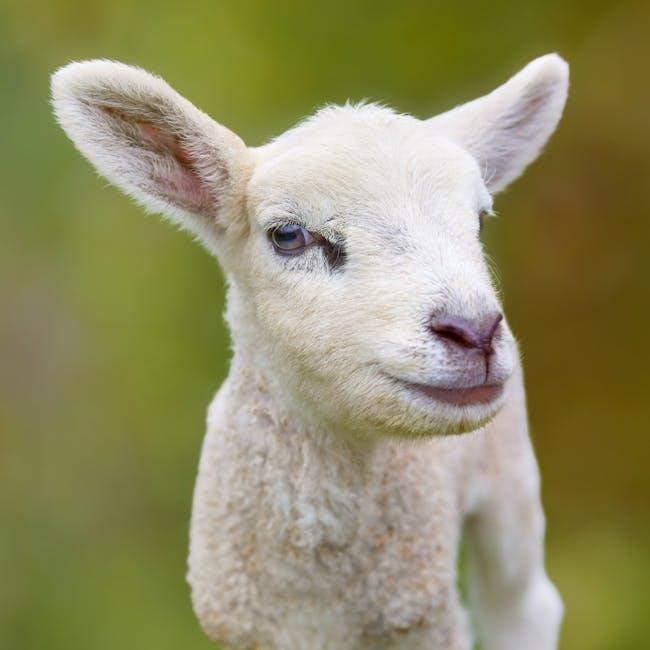
Preparing the lamb isn’t merely about cleanliness; it’s a ritual act of reverence. It signifies readiness to partake in the symbolic meal commemorating the Exodus. The careful preparation reflects the importance placed on honoring the traditions and ensuring a meaningful Passover Seder experience for all participants.
Seasoning and Spices Traditionally Used
Historically, the Passover lamb was roasted simply, without elaborate seasoning. The focus was on the lamb itself, representing the sacrifice offered in the Temple. However, over time, various communities developed their own traditions regarding spices and seasonings.
While a minimalist approach remains common, some Sephardic traditions incorporate spices like cinnamon, allspice, and even a touch of saffron to enhance the flavor. These additions aren’t considered deviations from tradition but rather regional interpretations.
Ashkenazi communities generally favor a simpler preparation, often using only salt and pepper. The emphasis is on the natural flavor of the lamb. Garlic is sometimes used, but its application varies. The key is to avoid any ingredients that might be considered kitniyot (legumes) during Passover, depending on community custom.
Ultimately, the choice of seasoning is a matter of family tradition and personal preference, always respecting the core principles of the Passover observance.
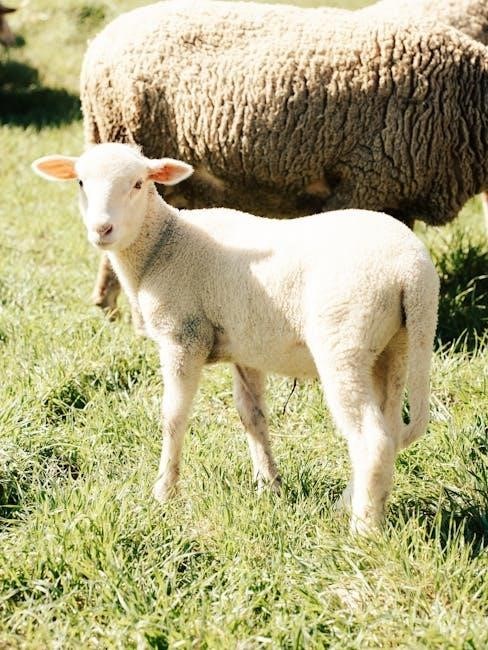
Roasting Methods: Traditional and Modern
Traditionally, the Passover lamb was roasted whole on a spit, a method deeply connected to the biblical account of the Exodus. This “shpud” method, described later, requires significant skill and specialized equipment, representing a communal effort.
However, modern kitchens often necessitate adaptations. Oven roasting has become a prevalent alternative, offering greater convenience and control over temperature. When oven-roasting, the lamb is typically placed on a rack within a roasting pan, allowing for even cooking and rendering of fat.
Slow roasting is highly recommended, mirroring the long cooking times of the traditional spit method. Some cooks employ a combination of high-heat searing followed by low-and-slow roasting to achieve a crispy exterior and tender interior.
While less common, braising is another modern approach, particularly for tougher cuts of lamb. This method involves searing the lamb and then simmering it in liquid, resulting in a fall-off-the-bone texture. Regardless of the method, ensuring the lamb is thoroughly cooked is paramount.
The Traditional Roasting Spit (Shpud)
The shpud, or roasting spit, represents the most authentic method for preparing the Passover lamb, directly linking to the biblical instructions. This involves impaling the entire lamb onto a long, sturdy metal rod – traditionally iron – and slowly rotating it over an open fire.
Constructing a proper shpud requires expertise. The rod must be strong enough to support the weight of the lamb and balanced to ensure even rotation. The fire itself is typically fueled by wood, imparting a distinct smoky flavor to the meat.
Rotating the lamb consistently is crucial, demanding dedicated attention from the cook. This process can take several hours, requiring patience and skill to maintain a consistent cooking temperature. The lamb is positioned at a distance from the flames to prevent burning, relying on radiant heat for slow, even cooking.
Historically, this was a communal undertaking, with families and communities gathering around the roasting pit. The shpud method isn’t merely about cooking; it’s a symbolic reenactment of the Exodus story and a testament to tradition.
Cooking Time and Temperature Guidelines
Determining precise cooking times and temperatures for a Passover lamb is complex, varying based on the lamb’s size, roasting method (traditional shpud versus oven), and desired level of doneness. Traditionally, slow-roasting is favored, prioritizing tenderness over rapid cooking.
For a shpud-roasted lamb, anticipate a cooking time of 5-8 hours, maintaining a consistent, moderate heat. Oven roasting typically requires 6-10 hours at a low temperature, around 325°F (160°C). The internal temperature should reach at least 180°F (82°C) for optimal tenderness, though some prefer slightly higher temperatures.
Consistent monitoring is vital. Use a meat thermometer to check the internal temperature in multiple locations – the thickest part of the thigh and shoulder – to ensure even cooking. Basting the lamb periodically with its own juices or a simple marinade helps retain moisture and enhance flavor.
Remember, these are guidelines. Adjust cooking times based on your specific setup and the lamb’s weight. Patience is key to achieving a truly tender and flavorful Passover lamb.
Determining Doneness: Visual Cues
Beyond relying solely on a meat thermometer, experienced cooks employ visual cues to assess a Passover lamb’s doneness. The color of the juices is a primary indicator; they should run clear, not pink or reddish, when pierced with a fork or skewer in the thickest part of the thigh.
The meat itself will begin to pull away from the bone with gentle pressure, signaling significant tenderness. A slightly browned, caramelized exterior indicates sufficient roasting, though avoid excessive charring. Observing the fat rendering is also helpful – it should be melted and translucent, contributing to the lamb’s overall richness.
For shpud-roasted lamb, the skin should be crisp and golden brown. If using an oven, a final broiling step can achieve this desired texture. However, careful monitoring is crucial to prevent burning. Remember that carryover cooking will continue even after removing the lamb from the heat source, so account for this when assessing doneness.
Combining visual cues with a thermometer reading provides the most accurate assessment, ensuring a perfectly cooked and tender Passover lamb.
Serving the Passover Lamb: Order and Etiquette
The Passover Seder dictates a specific order for enjoying the lamb, deeply intertwined with the ritual’s symbolism. Traditionally, the lamb is served after the second cup of wine and following the consumption of the maror (bitter herbs) and charoset (fruit paste).
The lamb isn’t typically eaten immediately after its presentation; it’s part of the festive meal, the Shurav, following the recounting of the Exodus story and the recitation of the Hallel psalms. Etiquette emphasizes sharing and communal enjoyment. Portions are distributed amongst all participants, fostering a sense of unity.
It’s customary to eat the lamb with matzah (unleavened bread) and charoset, symbolizing both the hardship of slavery and the sweetness of freedom. Conversation and storytelling are integral to the meal, reinforcing the historical narrative.
Leftovers are respectfully handled, and the bone, or zeroa, is reserved for later symbolic use, representing the Passover sacrifice. The entire experience is designed to be a mindful and meaningful celebration.
Leftovers and Handling of Bones (Zeroa)
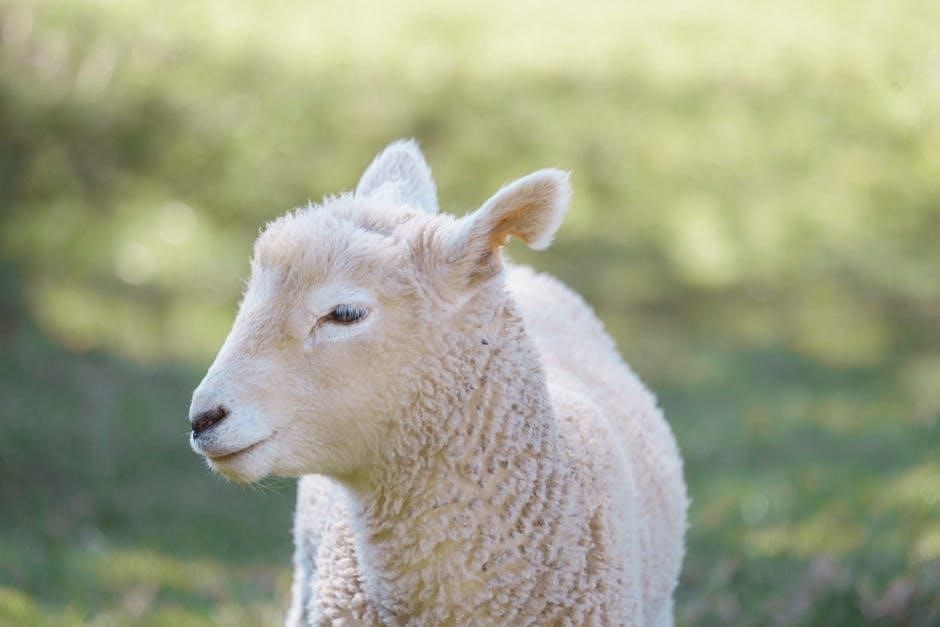
Respectful handling of leftover lamb is paramount after the Seder. While enjoying the meal, minimizing waste is encouraged, but any remaining lamb should be stored properly and consumed within a reasonable timeframe, adhering to kosher guidelines.
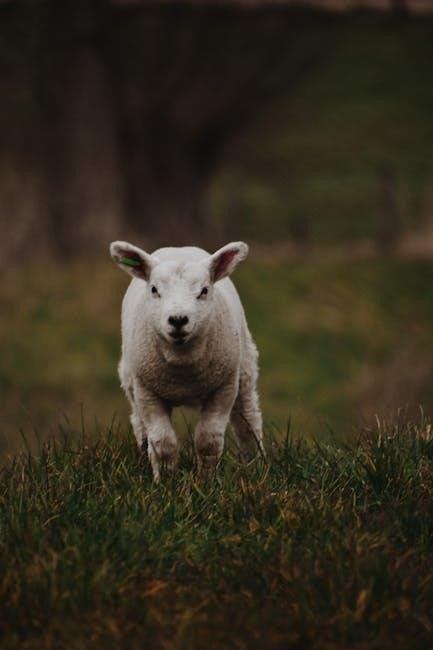
However, the lamb bone, or zeroa, receives unique treatment. It isn’t eaten; instead, it’s carefully preserved and placed back on the Seder plate after the meal. This symbolic bone represents the Passover sacrifice offered in the Temple in Jerusalem.
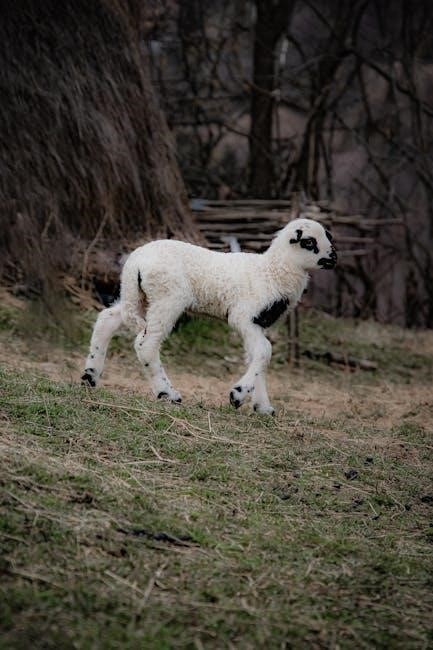
The zeroa remains visible throughout the remainder of the Seder, serving as a constant reminder of the original Passover offering and the liberation of the Israelites. Some families wrap the bone in a cloth for added reverence.
After Passover, the zeroa is typically buried with respect, often wrapped in cloth, symbolizing a return to the earth. This act signifies the completion of the Passover observance and a connection to ancestral traditions.
Symbolism of the Lamb Bone on the Seder Plate
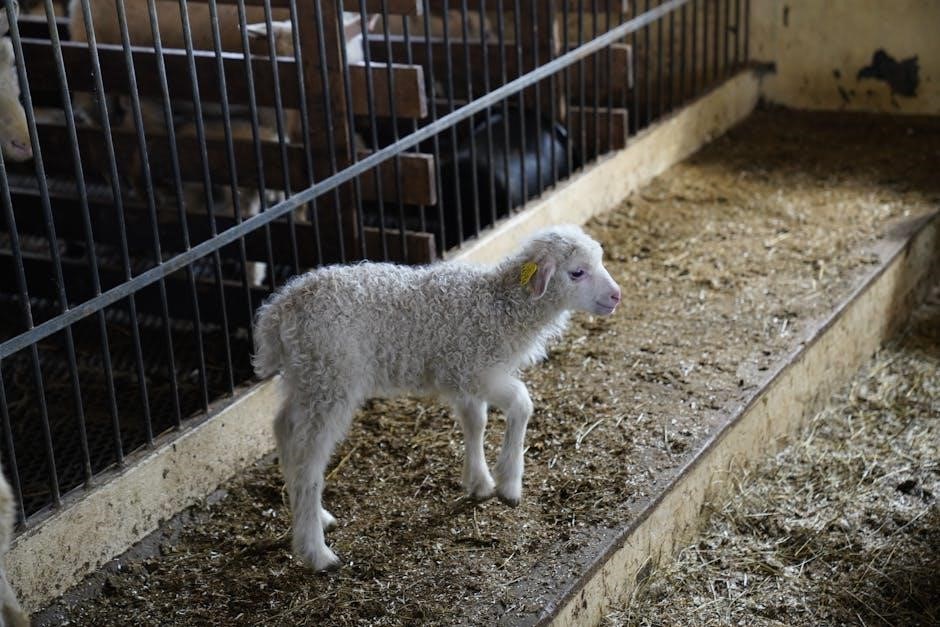
The zeroa, a roasted lamb bone, occupies a central symbolic position on the Seder plate, representing the Passover sacrifice offered in the ancient Temple in Jerusalem. Though not eaten during the Seder, its presence is profoundly meaningful.
It commemorates the Israelites’ offering of a lamb before their Exodus from Egypt, a pivotal act of obedience and faith. The lamb’s sacrifice symbolized protection and redemption, shielding the Israelites from the tenth plague – the death of the firstborn.
The bone itself serves as a visual reminder of this historical event and the covenant between God and the Jewish people. Its roasted state signifies the manner in which the Passover lamb was originally prepared.
Furthermore, the zeroa embodies the concept of sacrifice and the willingness to offer something precious to God. It’s a tangible link to the past, connecting contemporary observances to the foundational story of Jewish liberation. The bone’s presence prompts reflection on freedom and the enduring power of faith.
Recipes and Variations: Modern Adaptations
While traditionally roasted whole, modern Passover lamb recipes showcase culinary creativity, blending tradition with contemporary flavors. Adaptations cater to diverse palates and dietary preferences, offering exciting alternatives;
Stuffed lamb recipes, inspired by cuisines like Mexican, introduce vibrant fillings – often incorporating fruits, spices, and grains – within the lamb. These variations provide a unique twist on the classic dish, enhancing both flavor and presentation.
Slow-cooked lamb shanks, braised with aromatic herbs and vegetables, offer a tender and flavorful alternative to roasting. This method yields exceptionally succulent meat, perfect for a festive Seder meal.
For smaller gatherings, lamb chops or a leg of lamb can be substituted, simplifying preparation without sacrificing the symbolic significance. Marinades featuring honey, garlic, and rosemary impart delightful flavors.
Modern cooks also experiment with different roasting techniques, utilizing convection ovens or Dutch ovens to achieve optimal results. These adaptations demonstrate the enduring appeal of the Passover lamb, evolving with culinary trends while honoring its historical roots.